
Monday, December 31, 2012

Wednesday, December 7, 2011
Cidne Hart and Ruth DeNicola at MorYork Gallery

Two Highland Park artists, who are friends and neighbors, are collaborating on this month’s exhibit, “Peripheral Vision,” at York Boulevard’s MorYork Gallery.
Cidne Hart and Ruth DeNicola are well known in the local arts community. This is their third collaborative show.
The collaboration began with Cidne trudging uphill to Ruth’s house—a delightful space filled with art and found materials. The two found that they shared a love of figurative art, and especially of faces.
Cidne is a photographer and digital artist, whose collage work has been widely exhibited. For the current show, Cidne has focused on the creation of books.
“I am always experimenting and learning new processes,” says Cidne. “I realized that books could be vehicles to do a lot of artwork and corral it.”
After teaching herself bookbinding over the past year and examining the ways in which her career working with printing companies has impacted her art, Cidne has created a show in which a large volume of work will be on display in book format. Additionally, each book will be accompanied by an art piece mounted on the wall behind it.
Two books that Cidne are very proud of are fat volumes of locally-based work. One documents Ruth’s house. The other is documentation of MorYork Gallery itself. Each contains over 100 pages.
Other books on exhibit contain interesting photographs that Cidne took of railroad workers in Madison, Wisconsin in 1980 and a book of collages made for a Day of the Dead show about the war in Afghanistan in 2002.
Other books feature experimentation with process including image transfer and lamination of pages torn out of fashion magazines.
Ruth’s works, meanwhile, are assemblages. The MorYork show is by far her largest show to date, with close to 70 pieces of varying sizes on exhibit. The pieces represent about two and a half years worth of work.

The materials Ruth, a local resident since the age of six, turns into art come from many places. Initially, her parents’ garage was a major source. There were forays to the Rose Bowl. Then friends began to give her things.
“The ones that spoke to me, I made art out of,” Ruth says.
The influence of Ruth’s work on Cidne’s work is clear; Ruth’s pieces are often subject matter for Cidne’s, and Ruth’s assemblage work has expanded Cidne’s sense of collage.
The influence of Cidne’s work on Ruth’s may not be as obvious. However, while Cidne has been working on her art books, Ruth has found herself incorporating writing into her work for the first time.
“Cidne says we collaborate in ways I don’t understand,” says Ruth.
Ruth refers to Cidne’s presence in her life as “a surprise and a gift.”
The MorYork show has a bittersweet tinge to it in a couple of regards. It will be Ruth’s last large-scale show. While she retains the soul of an artist, and may still do some small pieces, arthritis has taken a toll on her ability to use a drill and to lift large pieces.
Ruth is grateful to have the opportunity to do one last grand exhibit in MorYork. “I really had a lot of art still in me,” she says.
And this will be the last show at MorYork Gallery itself.
MorYork is a cavernous space. It is primarily the private studio of assemblage artist Clare Graham. It is a fantasy world overflowing with art made from Scrabble tiles, yard sticks, puzzle pieces, rosaries, tin can lids, pop tops, doll parts—an indescribable world that has to experienced, not described.
And a great many art lovers have experienced it over the past six years. Clare, one of the co-founders of the popular NELAart Second Saturday Gallery Night, and his partner Bob Breen have graciously opened their doors monthly for exhibits by local artists.
Many venues have come and gone over the past six years. Gallery Night continues, as new venues have located to Highland Park and to Northeast L.A. in general. MorYork is one of the few remaining original venues, but Clare and Bob have found it to be time—after Cidne and Ruth’s show—to close the doors.
Assemblage has, over perhaps the past decade, become something of a Northeast Los Angeles art form, with Ruth, Cidne, Clare and other local artists drawing on the rich materials found it the attics and garages of Los Angeles’ oldest suburbs and along the Arroyo Seco and Los Angeles River.
“I’m so lucky I ended up here,” says Ruth.
“Peripheral Vision”
Cidne Hart and Ruth DeNicola
MorYork Gallery
4959 York Boulevard (at Avenue 50)
Artists’ Reception: Saturday, December 10, 2011
7 to 10 p.m., as part of NELAart Second Saturday Gallery Night (see NELAart.com for a map of participating venues)
Open at other times by appointment. (Ruth: 323-258-5446. Cidne: 323-258-6873 or ourfinca@aol.com.)


Saturday, November 12, 2011
NELAart Gallery Night~November 12
NELAart Gallery Night Happenings
NELAart Second Saturday Gallery Night
The Second Saturday of every month, Northeast Los Angeles art galleries stay open late for NELAart Second Saturday Gallery Night. The event is a celebration of the thriving NELA contemporary arts community and of NELA’s history as L.A.’s original arts community. Visit nelaart.com to download a gallery map.
Where to see art Saturday, November 12
including:
NELAart’s Second Saturday Galleries
Stores and Coffee Houses showing local artists
Special Events
And other once-in-a-lifetime opportunities
(7 to 10 p.m. unless otherwise indicated)
Avenue 50 Studio
131 North Avenue 50
“Luna Moods -- Myths and Stories about the Moon,” with poetic stories curated by Suzanne Lummis. Featured artists: David Botello, Pamela Burgess, Martin Charlot, Yu Cotton-Well, Raoul De la Sota, Kathi Flood, Gwen Freeman, Frank Gutierrez, Peter Hess, Heriberto Luna, Beth Peterson, Bobby Rojas, Marianne Sadowski.
In the Annex: “Forest for the Trees,” a site-specific fiber installation project co-sponsored by Yarn Bombing Los Angeles & the Arroyo Arts Collective, featuring Edith Abeyta; Leslie Brown; Katelyn Dorroh; Beth Elliott; Jacque Lene Engel; Carmela Gomes; Heather Hoggan; Amy Caterina Hill; Lisa Jong; Julie Kornblum; Arzu Arda Kosar; Justine Leong; Tyler Mitzner; Lauri Mraz; Racquel “Rocky” Ormsby; David Orozco; Adrianna Rianna; Ann Storc; Kacy Treadway; Jane Wang; Jessica Wards; Tracy Williams and Darlyn Susan Yee.
Bike Oven
3706 North Figueroa
Art show by Bike Oven artist Alex. Spoke’n Art ride at 6:30. Downtown Train Blues Band at the Bike Oven and surprise performances at the Bike Oven and Flying Pigeon. Music starts at 10. Rain cancels the bike ride, but not the bands.
Bonnie Lambert
4022 N. Figueroa Street
“The Night Comes.” Solo exhibit. This introduction of Bonnie Lambert's work is a debut of works produced, some with the unique subtleties of the evening light. With intense color and expressive brush work, Bonnie is able to capture the night in a quiet and poetic way. Her confident brush work challenges you to view the nightscape, beyond the ordinary first look and see the common American suburb as a rich romantic setting of dreams and dreamers.
Cactus Gallery
5434 Eagle Rock Boulevard
"Too Cool For School," a new body of painted and sculptural works by artist Douglas Alvarez. Explores Alvarez’ experience in the Public School system and growing up in Los Angeles through the humor of popular iconography. Addressing the beauty of urban sprawl with its strip malls, nature and the role humans play visibly or invisibly in this environment.
In the adjacent gallery space: Percussion Art.
Cafe de Leche
5000 York Boulevard
Culture Reference (at The York)
5018 York Boulevard
“Mascaras.” New works by Oscar Magallanes.
Curve Line Space
1577 Colorado Boulevard
New Drawings by Kenturah Davis. eu·phe·mism n. The act or an example of substituting a mild, indirect, or vague term/expression for one considered controversial, harsh, blunt, or offensive: [Greek euphmismos, from euphmizein, to use auspicious words]. In a new series of drawings, Davis continues to explore the ideas of self-identification and socialization through portraiture. These works specifically look at the use of euphemisms as a rhetorical device to convey layers of meaning about ourselves. In layering the text to make the drawings they exist as a metaphor for the ways we construct our own identities and perceive one another through language.
Future Studio
5558 North Figueroa
Arroyo Arts Collective Discovery Tour Preview Show.
The Glass Studio
5052 York Boulevard
Mri Scott ElBey. Glass Art Solo Show.
José Vera Gallery
2012 Colorado Boulevard
"City To A Fault, Los Angeles and Environs.” The exhibition features the work of five of Southern California's most noteworthy Plein Air painters: Oscar Arroyo, Jose De Juan, John Kilduff, Alex Schaefer, and William Wray. "En plein air" is a French expression meaning "in the open air,” and is often used to describe the act of painting out of doors, directly from nature. California Plein Air painting gained popularity in the Bay area and Southern California in the early 20th century. "City To A Fault, Los Angeles and Environs" offers the viewer over 40 unique Plein Air perspectives of Los Angeles' urban atmosphere, that are as varied as the artists themselves.
In José Vera's Gallery X-43...”Visit the Moment 25 Years of Art Time” featuring the work of Kostas Lekakis, an expressionist artist working in paintings, woodcuts, etchings, monotypes and jewelry. 6-9 p.m.
Kristi Engle Gallery
5002 York Boulevard
Jocelyn Foye: “Rock n Roll, Rock n Roll, Rock n Roll.“ Using different mediums from clay to sand, Foye has recorded the movements of Greco-Roman wrestlers, cheerleaders, roller derby girls, ballet dancers and sumo wrestlers in an attempt to create a static, aesthetic interpretation of those movements. Foye will be using this opportunity to expand on her earlier processes and practices by including performance, 2-dimensional work as well as audience participation. For this particular exhibition, Foye will be using the world of competitive Air Guitar as her "palette." Fatima Hoang and Janice Gomez, both respected contemporary artists as well as champion Air Guitarists, have been working in collaboration with Foye allowing her to introduce both stages of her process into the gallery simultaneously.
Leanna Lin’s Wonderland
5024 Eagle Rock Boulevard
Vintage jewelry trunk show this weekend! Bringing out all stock Sat (11 a.m.-10 p.m.) + Sun (12-5 p.m.).
2nd Annual Artist Sisters Show. The talented CJ Metzger & Miss Mindy are taking over the main gallery wall showcasing their latest works and fanciful goodies for the season! NELAart Gallery Night preview, 6-10 p.m. Official opening, November 19, 6-10 p.m. Free Box of Stories with $100 or more purchase.
Matters of Space
5005 York Boulevard
The printmaking of Dana McClure. “…I’m interested in finding the space between abstraction and representation. My work aims to create tension between the two rather than polarizing each.”
Matters of Space also will be exhibiting one of Jane Parrott’s exquisite light sculptures.
Mi Vida Boutique
5159 York Boulevard
Dia de los Muertos celebration. “Altarwalk.” Sidewalk Altar Exhibit presented by Artists: Social Machine Productions, Abel Salas, Eric Valdez, Art Junky's Collective. Guest Artist: El Ponk featuring in store altar, paper mache statues, hand painted accessories and more. Jewelry Trunk Show featuring Ilaments by Lisa Rocha. All new Muertos inspired pieces. Muertos Face Painting by Artists: Jimmy Garcia & Valerie Pasarat Hernandez.
MorYork Gallery
4959 York Boulevard
Iva Hladis: “Origins Extinct.” The "Origins Extinct" series was selected by the LACMA Arts Council for their 2011-2012 Special Projects sponsorship. “As I took my found objects and started assembling the first pieces for ‘Origins Extinct’ I was faced with the question of how to tie the opposing elements together and convey the frail ecological state our world is now faced with. Keeping with the Japanese motif, I chose the ancient writing style of Kanji for its history and for its powerful symbolism. My intention is to reflect the simplicity and balance much needed in everyday life and pay respect to the Japanese way of living in the world rather than just living on the world.” 6-10 p.m.
New Puppy
2808 Elm Street, Unit 1
Closing for “Crash Canvas,” an art show featuring five of Los Angeles most active live painters. John Park, Michael Pukac, Christina Angelina, Mimi Yoon and Stephen Williams.
New Stone Age Mosaics
1754 Colorado Boulevard
Mary Clark-Camargo started doing mosaics in 2000. She is known for her large-scale sculptural pieces. Using a vast assortment of exotic glass, tile, semi-precious stone and other "found" objects she intertwines intricate patterns that are at once abstract and organic in nature.
An Orange Door
3188 Verdugo Road
"Antebellum." Stephanie Stein.
Outpost for Contemporary Art
1268 North Avenue 50
Platform
5027 York Boulevard
A multi-purpose concept space offering an art gallery, retail environment and trend library. “Fårö.” Photographs by Martin Rusch.
She Rides the Lion
133 North Avenue 50
The print-making studio of Sonia Romero.
Urchin
5006 York Boulevard
A vintage clothing store with works by young local artists on the walls.
Verbre Studio and Gallery
4540 Eagle Rock Boulevard
La Vida Loca Galeria
5050 York Boulevard
NELA artist, Oscar Magallanes, with Heuristic: LA. New limited edition serigraph prints by artist Oscar Magallanes. All prints hand printed at Self Help Graphics. 6-10 p.m.
White Raven Studios and Gallery
3423 Verdugo Road
Student work and a live painting demonstration by artist Brianna Lee.
York Studios
5029 York Boulevard
2 Tracks Art Studio
135 North Avenue 50
NELAart Second Saturday Gallery Night
The Second Saturday of every month, Northeast Los Angeles art galleries stay open late for NELAart Second Saturday Gallery Night. The event is a celebration of the thriving NELA contemporary arts community and of NELA’s history as L.A.’s original arts community. Visit nelaart.com to download a gallery map.
Where to see art Saturday, November 12
including:
NELAart’s Second Saturday Galleries
Stores and Coffee Houses showing local artists
Special Events
And other once-in-a-lifetime opportunities
(7 to 10 p.m. unless otherwise indicated)
Avenue 50 Studio
131 North Avenue 50
“Luna Moods -- Myths and Stories about the Moon,” with poetic stories curated by Suzanne Lummis. Featured artists: David Botello, Pamela Burgess, Martin Charlot, Yu Cotton-Well, Raoul De la Sota, Kathi Flood, Gwen Freeman, Frank Gutierrez, Peter Hess, Heriberto Luna, Beth Peterson, Bobby Rojas, Marianne Sadowski.
In the Annex: “Forest for the Trees,” a site-specific fiber installation project co-sponsored by Yarn Bombing Los Angeles & the Arroyo Arts Collective, featuring Edith Abeyta; Leslie Brown; Katelyn Dorroh; Beth Elliott; Jacque Lene Engel; Carmela Gomes; Heather Hoggan; Amy Caterina Hill; Lisa Jong; Julie Kornblum; Arzu Arda Kosar; Justine Leong; Tyler Mitzner; Lauri Mraz; Racquel “Rocky” Ormsby; David Orozco; Adrianna Rianna; Ann Storc; Kacy Treadway; Jane Wang; Jessica Wards; Tracy Williams and Darlyn Susan Yee.
Bike Oven
3706 North Figueroa
Art show by Bike Oven artist Alex. Spoke’n Art ride at 6:30. Downtown Train Blues Band at the Bike Oven and surprise performances at the Bike Oven and Flying Pigeon. Music starts at 10. Rain cancels the bike ride, but not the bands.
Bonnie Lambert
4022 N. Figueroa Street
“The Night Comes.” Solo exhibit. This introduction of Bonnie Lambert's work is a debut of works produced, some with the unique subtleties of the evening light. With intense color and expressive brush work, Bonnie is able to capture the night in a quiet and poetic way. Her confident brush work challenges you to view the nightscape, beyond the ordinary first look and see the common American suburb as a rich romantic setting of dreams and dreamers.
Cactus Gallery
5434 Eagle Rock Boulevard
"Too Cool For School," a new body of painted and sculptural works by artist Douglas Alvarez. Explores Alvarez’ experience in the Public School system and growing up in Los Angeles through the humor of popular iconography. Addressing the beauty of urban sprawl with its strip malls, nature and the role humans play visibly or invisibly in this environment.
In the adjacent gallery space: Percussion Art.
Cafe de Leche
5000 York Boulevard
Culture Reference (at The York)
5018 York Boulevard
“Mascaras.” New works by Oscar Magallanes.
Curve Line Space
1577 Colorado Boulevard
New Drawings by Kenturah Davis. eu·phe·mism n. The act or an example of substituting a mild, indirect, or vague term/expression for one considered controversial, harsh, blunt, or offensive: [Greek euphmismos, from euphmizein, to use auspicious words]. In a new series of drawings, Davis continues to explore the ideas of self-identification and socialization through portraiture. These works specifically look at the use of euphemisms as a rhetorical device to convey layers of meaning about ourselves. In layering the text to make the drawings they exist as a metaphor for the ways we construct our own identities and perceive one another through language.
Future Studio
5558 North Figueroa
Arroyo Arts Collective Discovery Tour Preview Show.
The Glass Studio
5052 York Boulevard
Mri Scott ElBey. Glass Art Solo Show.
José Vera Gallery
2012 Colorado Boulevard
"City To A Fault, Los Angeles and Environs.” The exhibition features the work of five of Southern California's most noteworthy Plein Air painters: Oscar Arroyo, Jose De Juan, John Kilduff, Alex Schaefer, and William Wray. "En plein air" is a French expression meaning "in the open air,” and is often used to describe the act of painting out of doors, directly from nature. California Plein Air painting gained popularity in the Bay area and Southern California in the early 20th century. "City To A Fault, Los Angeles and Environs" offers the viewer over 40 unique Plein Air perspectives of Los Angeles' urban atmosphere, that are as varied as the artists themselves.
In José Vera's Gallery X-43...”Visit the Moment 25 Years of Art Time” featuring the work of Kostas Lekakis, an expressionist artist working in paintings, woodcuts, etchings, monotypes and jewelry. 6-9 p.m.
Kristi Engle Gallery
5002 York Boulevard
Jocelyn Foye: “Rock n Roll, Rock n Roll, Rock n Roll.“ Using different mediums from clay to sand, Foye has recorded the movements of Greco-Roman wrestlers, cheerleaders, roller derby girls, ballet dancers and sumo wrestlers in an attempt to create a static, aesthetic interpretation of those movements. Foye will be using this opportunity to expand on her earlier processes and practices by including performance, 2-dimensional work as well as audience participation. For this particular exhibition, Foye will be using the world of competitive Air Guitar as her "palette." Fatima Hoang and Janice Gomez, both respected contemporary artists as well as champion Air Guitarists, have been working in collaboration with Foye allowing her to introduce both stages of her process into the gallery simultaneously.
Leanna Lin’s Wonderland
5024 Eagle Rock Boulevard
Vintage jewelry trunk show this weekend! Bringing out all stock Sat (11 a.m.-10 p.m.) + Sun (12-5 p.m.).
2nd Annual Artist Sisters Show. The talented CJ Metzger & Miss Mindy are taking over the main gallery wall showcasing their latest works and fanciful goodies for the season! NELAart Gallery Night preview, 6-10 p.m. Official opening, November 19, 6-10 p.m. Free Box of Stories with $100 or more purchase.
Matters of Space
5005 York Boulevard
The printmaking of Dana McClure. “…I’m interested in finding the space between abstraction and representation. My work aims to create tension between the two rather than polarizing each.”
Matters of Space also will be exhibiting one of Jane Parrott’s exquisite light sculptures.
Mi Vida Boutique
5159 York Boulevard
Dia de los Muertos celebration. “Altarwalk.” Sidewalk Altar Exhibit presented by Artists: Social Machine Productions, Abel Salas, Eric Valdez, Art Junky's Collective. Guest Artist: El Ponk featuring in store altar, paper mache statues, hand painted accessories and more. Jewelry Trunk Show featuring Ilaments by Lisa Rocha. All new Muertos inspired pieces. Muertos Face Painting by Artists: Jimmy Garcia & Valerie Pasarat Hernandez.
MorYork Gallery
4959 York Boulevard
Iva Hladis: “Origins Extinct.” The "Origins Extinct" series was selected by the LACMA Arts Council for their 2011-2012 Special Projects sponsorship. “As I took my found objects and started assembling the first pieces for ‘Origins Extinct’ I was faced with the question of how to tie the opposing elements together and convey the frail ecological state our world is now faced with. Keeping with the Japanese motif, I chose the ancient writing style of Kanji for its history and for its powerful symbolism. My intention is to reflect the simplicity and balance much needed in everyday life and pay respect to the Japanese way of living in the world rather than just living on the world.” 6-10 p.m.
New Puppy
2808 Elm Street, Unit 1
Closing for “Crash Canvas,” an art show featuring five of Los Angeles most active live painters. John Park, Michael Pukac, Christina Angelina, Mimi Yoon and Stephen Williams.
New Stone Age Mosaics
1754 Colorado Boulevard
Mary Clark-Camargo started doing mosaics in 2000. She is known for her large-scale sculptural pieces. Using a vast assortment of exotic glass, tile, semi-precious stone and other "found" objects she intertwines intricate patterns that are at once abstract and organic in nature.
An Orange Door
3188 Verdugo Road
"Antebellum." Stephanie Stein.
Outpost for Contemporary Art
1268 North Avenue 50
Platform
5027 York Boulevard
A multi-purpose concept space offering an art gallery, retail environment and trend library. “Fårö.” Photographs by Martin Rusch.
She Rides the Lion
133 North Avenue 50
The print-making studio of Sonia Romero.
Urchin
5006 York Boulevard
A vintage clothing store with works by young local artists on the walls.
Verbre Studio and Gallery
4540 Eagle Rock Boulevard
La Vida Loca Galeria
5050 York Boulevard
NELA artist, Oscar Magallanes, with Heuristic: LA. New limited edition serigraph prints by artist Oscar Magallanes. All prints hand printed at Self Help Graphics. 6-10 p.m.
White Raven Studios and Gallery
3423 Verdugo Road
Student work and a live painting demonstration by artist Brianna Lee.
York Studios
5029 York Boulevard
2 Tracks Art Studio
135 North Avenue 50
Sunday, August 28, 2011
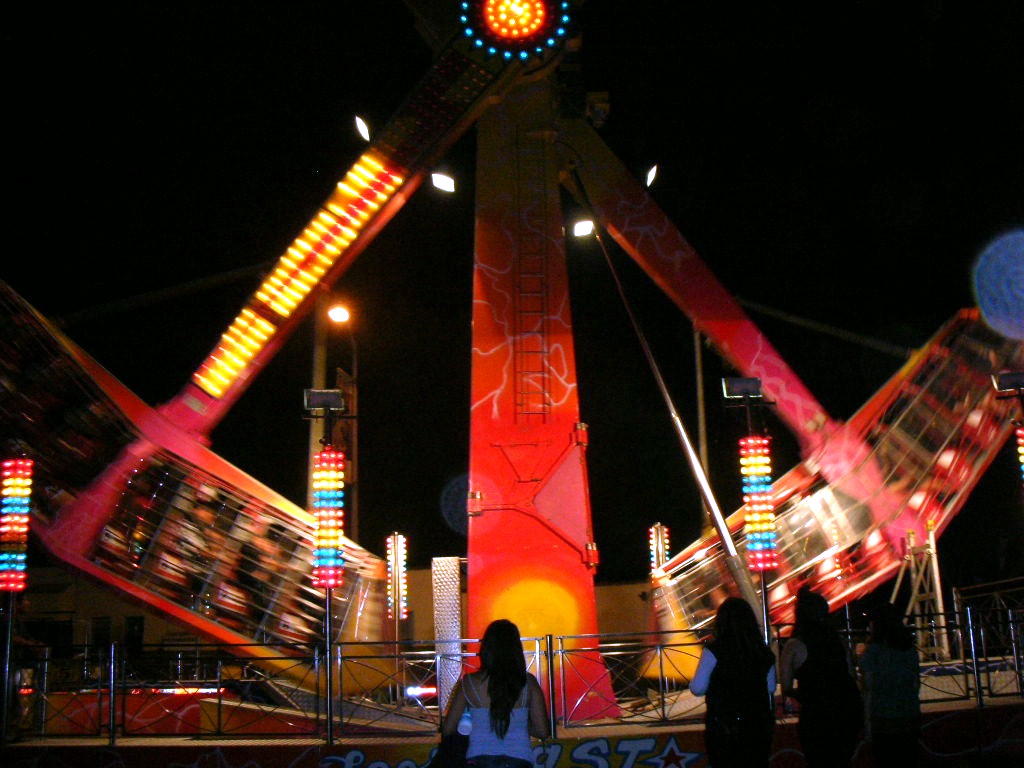
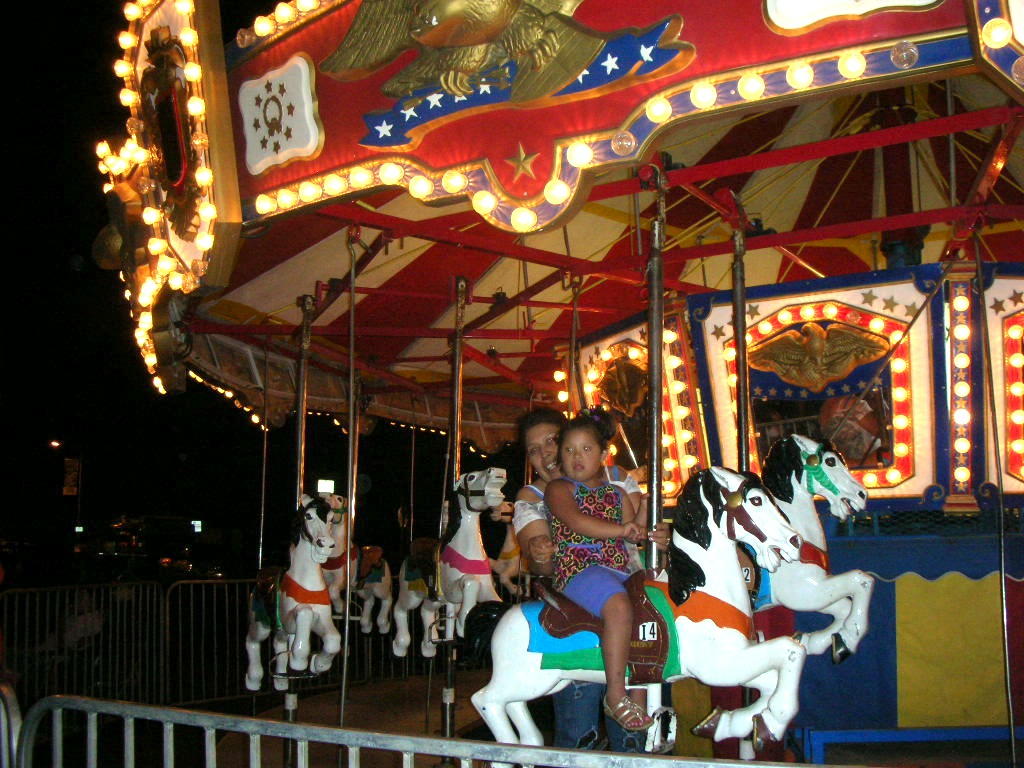
Northeast Carnival
Today is the last day of the second annual Northeast Carnival. Eagle Rock Boulevard, all the way from Avenue 33 to Verdugo Road. 3 p.m. to 10 p.m. Proceeds support the youth programs of the LAPD Northeast Division.






Saturday, August 27, 2011
From LAFD
Traffic Collision
Southbound 110 Freeway at York Boulevard
Highland Park
Friday, August 26, 2011
TIME: 5:27 PM
INCIDENT # 0964
HIGHLAND PARK - Despite the Friday evening, rush-hour traffic, LAFD resources swiftly responded to what was first termed a "traffic collision" on the freeway. After having received multiple calls, dispatchers quickly upgraded the incident to a "physical rescue." However, the first arriving units encountered something much worse.
After one car apparently stalled on the southbound side of the Pasadena Freeway near York Boulevard, a sport utility vehicle, having not enough time to react to the disabled vehicle, violently rammed into its rear-end, causing the stalled auto to burst into flames. There were two passengers on-board the fully engulfed vehicle and despite the extreme efforts by nearly 40 LAFD Firefighters and Paramedics on-scene, one of the passengers succumbed to injuries and sadly, was pronounced deceased.
Resources from the South Pasadena Fire Department joined with the LAFD on the freeway incident and helped treat and transport four other patients, including the driver of the burnt-out vehicle. All were taken via rescue-ambulance in fair condition to local hospitals with non-life threatening injuries. At least one patient sustained minor burns, in a clear attempt to assist the poor soul that perished in the vehicle fire.
This fatality collision is currently under active investigation.
Southbound 110 Freeway at York Boulevard
Highland Park
Friday, August 26, 2011
TIME: 5:27 PM
INCIDENT # 0964
HIGHLAND PARK - Despite the Friday evening, rush-hour traffic, LAFD resources swiftly responded to what was first termed a "traffic collision" on the freeway. After having received multiple calls, dispatchers quickly upgraded the incident to a "physical rescue." However, the first arriving units encountered something much worse.
After one car apparently stalled on the southbound side of the Pasadena Freeway near York Boulevard, a sport utility vehicle, having not enough time to react to the disabled vehicle, violently rammed into its rear-end, causing the stalled auto to burst into flames. There were two passengers on-board the fully engulfed vehicle and despite the extreme efforts by nearly 40 LAFD Firefighters and Paramedics on-scene, one of the passengers succumbed to injuries and sadly, was pronounced deceased.
Resources from the South Pasadena Fire Department joined with the LAFD on the freeway incident and helped treat and transport four other patients, including the driver of the burnt-out vehicle. All were taken via rescue-ambulance in fair condition to local hospitals with non-life threatening injuries. At least one patient sustained minor burns, in a clear attempt to assist the poor soul that perished in the vehicle fire.
This fatality collision is currently under active investigation.
Saturday, August 20, 2011
Re-thinking North Figueroa Street

About 30 residents of the neighborhoods along the North Figueroa corridor gathered at the Flying Pigeon LA bike shop Friday evening to brainstorm ways to use the implementation of the Los Angeles Bicycle Plan to benefit the busy street.
The Los Angeles Bike Plan was passed by the City Council a few months ago after years of effort on the part of bike activists. But its implementation—and what it will mean for Northeast L.A. residents—is still rather up in the air.
The plan calls for a bikeway the length of the corridor, passing among the communities of Cypress Park, Mount Washington, Montecito Heights, Highland Park, Garvanza and Eagle Rock with connectivity to the Los Angeles River and the Arroyo Seco.
Flying Pigeon proprietor Josef Bray-Ali encouraged participants to see the implementation of the plan in the coming months as a time to “re-think North Figueroa Street.”
“Is a stripe of paint for a bikeway enough for us, or would we like to see better crossing points for pedestrians, faster bus service, quiet streets with less crashes, and a healthier street for business?”, Bray-Ali wrote in his public invitation to the discussion.
City Transportation Department ideas for the 70-foot wide street are pretty basic. A lane of traffic can be removed to allow for a designated bike lane. Or parking can be removed on one side of the street.
The diverse crowd that gathered at the Flying Pigeon was looking to be a lot more creative, not only in regard to where bike traffic can go, but also in regard to how implementation of the plan can support the health of the business community, economic development, safe routes to schools, traffic slowing, noise reduction, public safety, bus access and bright and vibrant streets and sidewalks. The Figueroa corridor was seen, not as a high-speed way to get across and out of Northeast L.A., but rather as the spine of a butterfly, with day-to-day life in residential communities going on in the wings.
Bray-Ali pointed out that there is currently a lack of awareness on the part of local merchants and the public of the fact that a great many of the patrons of local businesses are arriving by foot, bicycle and public transportation. Meanwhile, the planning focus for many years now has been on fast movement of cars. In essence, the group is looking to return the historic street to local merchants and residents.
North Figueroa is high up on the list of corridors targeted for implementation of the bike plan. The local residents who gathered at the Flying Pigeon mean to be ready to bring creative solutions to local problems in Los Angeles’ historic suburbs.
For information on further meetings: info@flyingpigeon-la.com
Jim Bowden, 1921-2011
Jim Bowden, who established Occidental Garage on York Boulevard and ran it from 1947 until 1994, has passed away.
Bowden was born in 1921. While a student at Franklin High School, he became fascinated with building and racing high-speed roadsters. After high school, he served in World War II, landing at Normandy the day after D-Day and spending nine months in a POW camp in Germany, before returning to Northeast Los Angeles and opening his popular business. He was profiled in “Rod & Custom” Magazine in its May issue.
Bowden died July 28 in Hesperia where he and his wife spent their retirement. In addition to his wife Florence, he is survived by two daughters and numerous grandchildren and great grandchildren.
Bowden was born in 1921. While a student at Franklin High School, he became fascinated with building and racing high-speed roadsters. After high school, he served in World War II, landing at Normandy the day after D-Day and spending nine months in a POW camp in Germany, before returning to Northeast Los Angeles and opening his popular business. He was profiled in “Rod & Custom” Magazine in its May issue.
Bowden died July 28 in Hesperia where he and his wife spent their retirement. In addition to his wife Florence, he is survived by two daughters and numerous grandchildren and great grandchildren.
Subscribe to:
Posts (Atom)

